


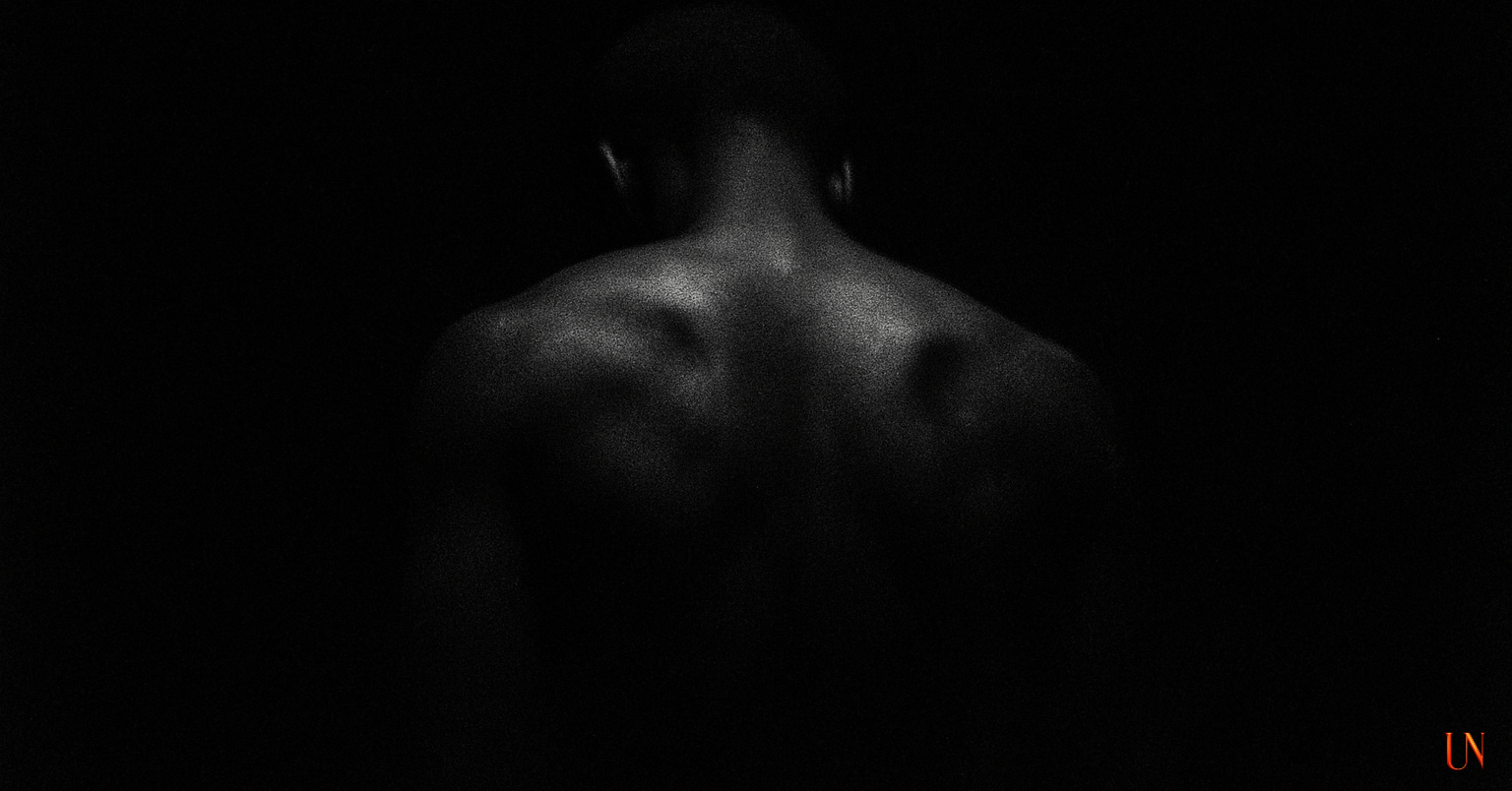
Preface
Obscurity is not failure. It is a response. When you have been hypervisible as threat and invisible as human, when you have been fetish but never boyfriend, when you have explained U=U until your throat went dry while watching bodies create distance anyway—obscurity becomes the body’s rebellion.
You fade not because you are weak, but because visibility has cost too much. Because being seen meant being counted for photos but not included in conversations. Because being seen meant extending your hand and watching eyes slide past to shake the white hand behind you. Because being seen meant watching them wipe their hands on their jeans after touching you.
This is about what happens after “You Were Worth the Syllables.” After you’ve named the erasure, after you’ve refused to shrink—and you’re still exhausted. After you’ve stood in white spaces and gay spaces and rooms that calculate your worth in degrees of palatability, and you’re tired of performing comfort for people who will never see you as fully human.
Obscurity promises rest. It whispers that if you cannot be seen correctly, perhaps it is safer not to be seen at all. It teaches you to mistake withdrawal for wisdom, silence for strength, disappearance for peace.
But dimming is not the same as liberation. And the longer you stay hidden, the more you risk forgetting that you were never the problem. They were.

Part I: Obscurity
Obscurity is a quiet violence—
not sudden, not sharp.
It seeps.
Tilts the world by degrees
until struggle feels like balance.
You stop reaching for air.
You start pacing the silence,
memorizing its corners,
finding comfort in its ache.
It does not shout;
it hums—
soft, constant,
like a thought you cannot unlatch from.
And in the famine of recognition,
you stop needing to be seen.
You fold yourself into the absence.
You name the ache familiar.
You name the silence sacred.
You call it love.
Part II: The Practice of Disappearance
There are two kinds of silence: the one you choose, and the one chosen for you. Obscurity sits between them—half control, half surrender. It arrives not as dramatic exit but as gradual dimming, the slow withdrawal of a body that has learned what visibility costs.
It begins after the hotel pickup. After “oh, I thought you’d have a Texas accent” becomes one disappointment too many. After watching their faces change when you explain undetectable equals untransmittable, watching them nod while their bodies create distance. After being called articulate one more time like it’s a compliment, like they expected you to speak in grunts.
You start making small decisions. You stop mentioning him at tables where everyone assumes straightness. You stop correcting their pronunciation of your name—let them stumble, let them call you whatever’s easier. You stop explaining that you were born in Dallas when they ask where you’re really from. You just say “here” and watch their disappointment flicker.
You learn to curate your own erasure before they can do it for you. You show up to be counted for the photo, then leave before the conversation. You laugh at their jokes about “urban” culture, swallow the violence of it. You make yourself small enough that they forget you’re there, which is somehow better than being hypervisible as threat.
The white spaces that wanted you as decoration but never as voice—you stop entering them. The gay bars where you learned the taxonomy of desire, where Latin men got called exotic while you got called late at night—you stop going. The rooms where people discuss diversity while looking past you like you’re theory instead of person—you exit quietly, no explanation.
And there is relief in it. The relief of not translating your existence anymore. Of not softening your voice so they feel safer. Of not performing ease while they discuss “risky behavior” without looking at the HIV+ person sitting three feet away. Of not watching hands reach for sanitizer, or wipe condensation against jeans, or hesitate before sharing drinks.
You tell yourself this is sovereignty. This is choosing peace. This is refusing to make yourself digestible for people who were never going to see you as fully human anyway.
But comfort becomes cage.
Your phone stops lighting up. Not because you blocked anyone, but because you stopped responding enough times that they stopped trying. The group chats go quiet. The invitations slow. You tell yourself you prefer it this way—that stillness beats performing—until you realize you’ve been alone for three weeks and didn’t notice.
You start speaking less. Not because you have nothing to say, but because you have learned what speaking costs when you are Black in white spaces, queer in straight spaces, positive in rooms that treat your status like contamination. Every word is a risk. Every time you correct “articulate” to “just articulate,” every time you say his name, every time you explain U=U—you make yourself visible again. And visibility, you have learned, leads to violence.
So you ration your voice like light in a blackout. You start sentences and abandon them. You nod and smile just enough that no one registers the withdrawal. You become fluent in a dialect of survival that sounds like agreeing but means nothing.
You learn the choreography of graceful disappearance. How to leave a room without anyone noticing. How to ghost a conversation mid-thread. How to exist in spaces without leaving an impression. You manage your own vanishing like craft, like art direction, like strategy.
But absence has mass. It accumulates in the body. People stop looking for you in rooms. Your name stops coming up. When someone does mention you, they attach qualifiers: “You know, the quiet one. The one who keeps to himself.” They mistake your withdrawal for personality trait instead of survival mechanism.
And part of you starts to believe them. Part of you starts to think maybe this is who you are: the one who doesn’t need to be seen. The one who prefers obscurity. The one who has transcended the need for recognition.
That is the seduction. Obscurity convinces you that you chose it, that you prefer it, that needing to be seen is weakness you’ve evolved past. It rewrites your exhaustion as enlightenment. It calls your disappearance spiritual practice. It makes you believe that being unseen is safer than fighting to be seen correctly.
There are nights when obscurity feels holy. You walk through the world and no one demands performance. No one asks you to be the proof of their progressiveness, the balance in their photo, the teaching moment. No one touches your shoulder then reaches for hand sanitizer. No one calls you clean like it’s a relief. The air belongs to you again.
But then someone says your name—clearly, both syllables—and something in your chest cracks open. You realize how long it has been since you heard it pronounced correctly. How hungry you are for recognition that doesn’t devour, for visibility that doesn’t demand you shrink.
You realize that every time you chose silence, you told yourself it was protection. But protection from what? From being seen incorrectly? From being erased? You were already being erased. Obscurity just made you complicit in your own disappearing.
The body keeps count. It remembers every time you swallowed your own name. Every time you laughed at jokes about people like you. Every time you left a room before they could decide you were too much. Every time you called your disappearance sacred when it was just survival.
And one day you look up and realize: you have become so good at being unseen that you can no longer see yourself. You have practiced obscurity so thoroughly that you have forgotten what your voice sounds like at full volume. You have made yourself so small that you are not sure how to take up space anymore.
This is what obscurity costs: it teaches you to live without witnesses and then convinces you that you prefer it. It makes you believe that being unnamed is the same as being free. It turns your exhaustion into philosophy, your trauma into aesthetic, your disappearance into choice.
But you were never meant to disappear. You were meant to be seen—correctly, fully, without apology. And the rooms that required your obscurity were never home. They were prisons where the door was unlocked but you learned to stay anyway.
Reappearing is not grand. It is saying your name with both syllables even when they prefer the shorthand. It is mentioning him at the table. It is correcting “articulate” every single time. It is explaining U=U even when their bodies create distance, even when you see their discomfort, even when you know they will not believe you.
It is standing in white spaces and refusing to make yourself digestible. It is entering gay spaces and refusing to be fetish. It is existing in rooms where they have calculated your worth and found you wanting—and taking up space anyway.
Obscurity was rest. But rest was never meant to become exile.
You were always worth being seen.
The work now is remembering that visibility on your terms is not the same as the visibility they demanded. You do not owe them ease. You do not owe them comfort. You do not owe them a version of yourself that fits their fantasy.
But you owe yourself the fullness of your own name, spoken clearly, in rooms that tried to make you disappear.
Postscript
Obscurity will seduce you with promises of peace. It will tell you that withdrawing is wisdom, that silence is strength, that being unseen is safer than being seen incorrectly.
It lies.
The world made you hypervisible as threat and invisible as human, so you learned to make yourself invisible entirely. You thought that was control. It was capitulation.
You have the right to step out of view when visibility becomes violence. But do not stay gone so long that you forget you were never the problem. The white spaces that consumed you as aesthetic but refused your humanity—they were the problem. The gay spaces that made you fetish instead of boyfriend—they were the problem. The rooms where people nodded at U=U while their bodies created distance—they were the problem.
Obscurity is a necessary refuge, not a permanent address.
Come back. Not for them. For you.
REFLECTION INVITATION
For those living in obscurity after chronic erasure:
How many times did you extend your hand before you stopped extending it? How many times did you explain U=U before you stopped explaining? How many jokes about “urban” culture did you laugh at before you stopped going to those spaces entirely?
When did withdrawal stop being strategy and start being belief? When did you start convincing yourself you prefer being unseen?
What parts of yourself have you practiced disappearing: your voice at full volume, his name at the table, the correction when they call you articulate like it’s surprise?
What would it cost to reappear? What would it cost to stay hidden?
For those who drove people into obscurity:
Whose name do you no longer hear in rooms? Who stopped showing up after you called them articulate one too many times? Who withdrew after watching you wipe your hands?
How many people have you made hypervisible as threat while keeping them invisible as human?
What comfort have you performed (”I’m educated about that”) while your body created distance?
For all of us:
How do we create spaces where no one has to choose between being seen incorrectly and not being seen at all?
What does it mean to welcome people back from silence without demanding they explain where they went or why they needed to disappear?
How do we distinguish between chosen solitude and forced obscurity, between rest and exile?
Sit with these questions. Feel where they land in your body. Notice the discomfort. That discomfort is information. That discomfort is the beginning of change.
Share this piece with someone who has been unnamed when they deserved to be seen.
Share it with someone who needs to understand that their comfort has required someone else’s erasure.
Over time, these fragments—yours and mine—will be gathered into a living chorus, an archive of what erasure tried to accomplish but could not.
#EveryWordINeverSpokeAloud #BlackQueerPoetry #LanguageAsWitness #WeSpeakAnyway
Next in the series—10/19
The Balance of Interiority
Be still.
But not rigid.
They will call that aggression.
Speak.
But not too clearly.
They will ask who taught you
to believe yourself.
